
Forced to edit a slide presentation and missing Word’s Track Changes? “Compare” to the rescue! Just save the PowerPoint file with a new name, and make your changes. Then, select Compare on PowerPoint’s Review ribbon. (Only Windows users get this option, sorry Mac users.)
Continue reading Tracking Changes in PowerPoint SlidesCategory Archives: Word-Wrangling Wednesdays

Q&A: Why are there weird boxes around tracked changes?
QWhat are these weird boxes around some text?
Continue reading Q&A: Why are there weird boxes around tracked changes?
Q&A: Tracked changes balloons are showing only what’s left!
QSuddenly Word is showing all changes clumped into a single marginal balloon, not as separate entries. And what’s showing in the balloon is what’s left, not what was deleted!
Continue reading Q&A: Tracked changes balloons are showing only what’s left!
Try This! Track Changes in Word
Track Changes is a feature of Word that lets each person on the team show their suggested revisions and leave comments “attached” to content without becoming part of the content itself (and thus avoiding the disastrous embarassement of comments making it into the final product).
Download this 132 kb file, then try the steps below. Check your work against the answer figure shown at the end.
Continue reading Try This! Track Changes in Word
Reduce Picture Bloat in Word Files
You already know how to remove all pictures from a file in a single click, but what if you need to keep those images in place? Checking visual content is a key editorial task, after all. Or what if the Word file is producing the output so the pictures are required? Many reports and ebooks are designed in Word!
Continue reading Reduce Picture Bloat in Word Files
Q&A: How can I paste without formatting?
QI copied text with formatting I don’t want to keep. How can I paste it without that formatting?
AEasy! There’s both a built-in keyboard shortcut and a button:
Continue reading Q&A: How can I paste without formatting?Shrink Files by Deleting Unused Styles
Word files can get bloated, taking up far more MB than they should. If you’re dealing with a book-length manuscript full of tracked changes and comments, that bloat can bog down the computer and lead to failures, glitches, and basic Office malfeasance.
Continue reading Shrink Files by Deleting Unused Styles
Q&A: How Can I Cross-reference Comments in Word?
QHow can I cross-reference comments in a Word manuscript now that Word doesn’t show comment numbers?
Continue reading Q&A: How Can I Cross-reference Comments in Word?
5 Ways to Select Big Chunks of Text in a Word Document
Selecting unwieldy content doesn’t have to be a snafu experience.
You know that ctrl + A will “select all” contents of a Word file, but did you know that selecting less — large amounts but not all contents — can be as easy? No need to drag the mouse, jumping unexpectedly and far; it doesn’t have to be a tedious, glitchy, or imprecise experience. Just use one of these methods:
- triple-click
- outline view
- ctrl + shift + up/down arrows
- F8 (4 times)
- zoom out, then select
Six Uses for Highlighting in Manuscripts
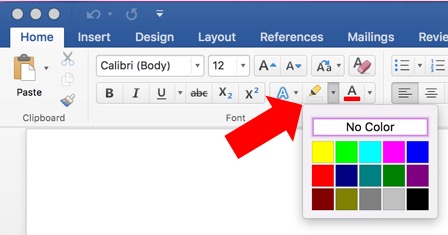
Highlighting jumps off the page as you scroll past, alerting you to content that needs attention. But you can also search for highlighted text, making it a useful “fail safe” (if not entirely safe from failing) as a final check for things left to be done such as fact checking.
Uses for the Highlighter
Highlighting has uses far beyond a study technique. In editing and production workflows, they can be used to
Continue reading Six Uses for Highlighting in Manuscripts